







Search Results for: delivery service
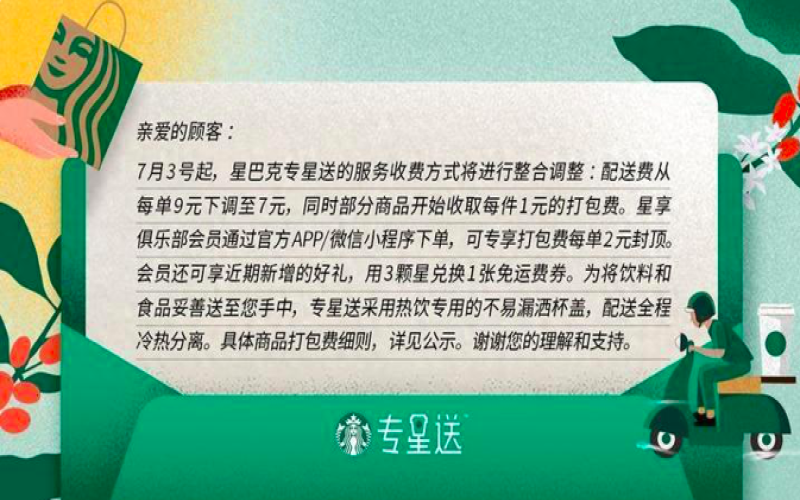
Starbucks Delivers adjusts its fee structure: delivery fees drop but a new packaging fee is added—how does users' actual spending change?
Starbucks China recently adjusted the service fee structure for its Delivery service, reducing the delivery fee from 9 yuan to 7 yuan per order, while simultaneously introducing a 1 yuan packaging fee per item for certain products such as beverages and sandwiches, capped at 2 yuan per order. Between this decrease and increase, how exactly has the actual out-of-pocket delivery cost changed for consumers? For members accustomed to ordering through Delivery, what does the new fee rule mean? Can third-party platforms avoid the packaging fee? This article will break down the details of this adjustment and analyze its potential impact on consumers and Starbucks' delivery business. [more…]
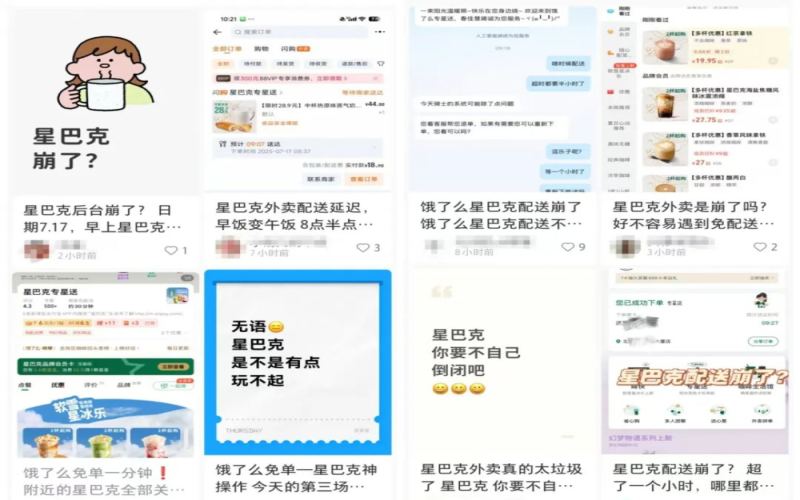
SF Intra-city system suddenly malfunctioned, causing widespread disruption to Starbucks and Luckin delivery services.
This morning, delivery orders for Starbucks and Luckin Coffee experienced widespread disruptions, with many consumers waiting in vain for riders to pick up their orders after placing them on Ele.me and the brands' official channels. It is understood that the problem stemmed from an anomaly in the rider information service database of SF Intra-city, the delivery partner for both brands, which prevented orders from being dispatched and recipient information from being displayed. Store employees were forced to act as customer service representatives, calling customers one by one to apologize and suggesting they pick up their orders in person, while multiple store locations on the Ele.me platform temporarily showed as "closed." As of press time, none of the three parties involved had issued a formal response, and online stores had gradually resumed accepting orders. [more…]
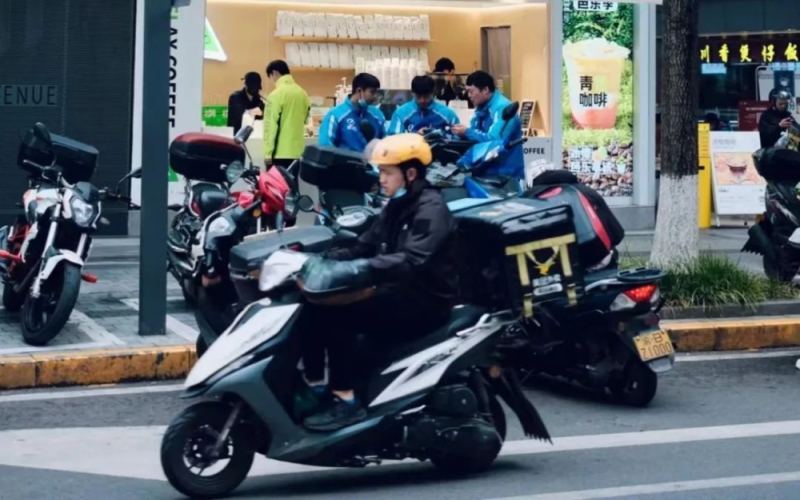
A Practical Guide to Coffee Shop Delivery Operations: A Complete Approach from Pricing Strategy to Private Domain Retention
While delivery platforms bring orders to coffee shops, they also carry the hidden risk of brand devaluation. Many shop owners have found that blindly joining price wars not only makes profitability difficult but can also erode the store's brand value. This article systematically sorts out the key aspects of coffee shop delivery operations, from pre-opening pricing planning, accumulating Dianping ratings, and delivery menu strategies, to how to convert platform traffic into private-domain customers. It also emphasizes that independent coffee shops should differentiate themselves from chain brands through professional quality and service details, rather than getting caught in low-price involution. The article also shares practical techniques such as stamp cards and scratch cards to guide delivery customers to offline visits, helping coffee shops effectively attract traffic through delivery while maintaining their brand tone. [more…]
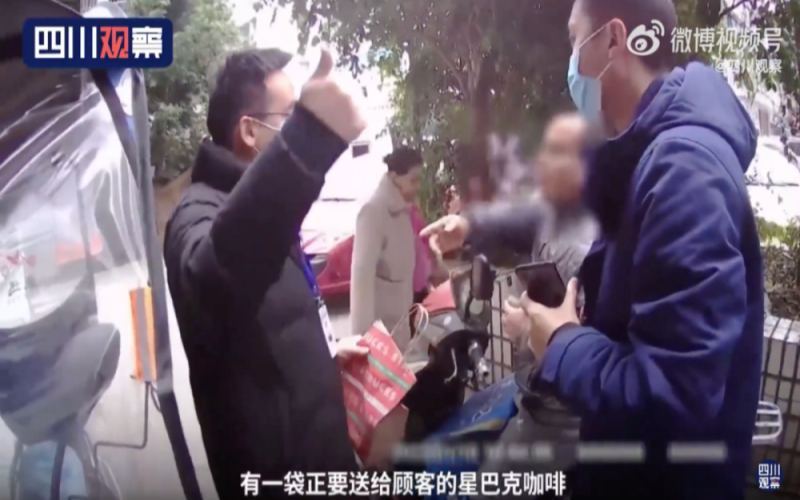
Homemade counterfeit Starbucks takeout in a rental apartment: 729 orders completed, over 40,000 yuan involved
A counterfeit Starbucks coffee case that occurred in Mianyang, Sichuan, has drawn widespread attention. The counterfeiters hid in a residential building and used delivery platforms to sell their homemade products under the guise of "purchasing on behalf of customers," accumulating 729 orders and involving more than 40,000 yuan. The on-site environment was alarming, yet the ingredients and packaging materials bore the Starbucks logo. Starbucks China has responded and is cooperating with the investigation, urging consumers to make purchases through official stores or Starbuck Delivers. The incident has also exposed loopholes in delivery platform vetting. This article reviews the course of the case, the official response, and consumer reminders, and includes Front Street Coffee's professional information channels. [more…]
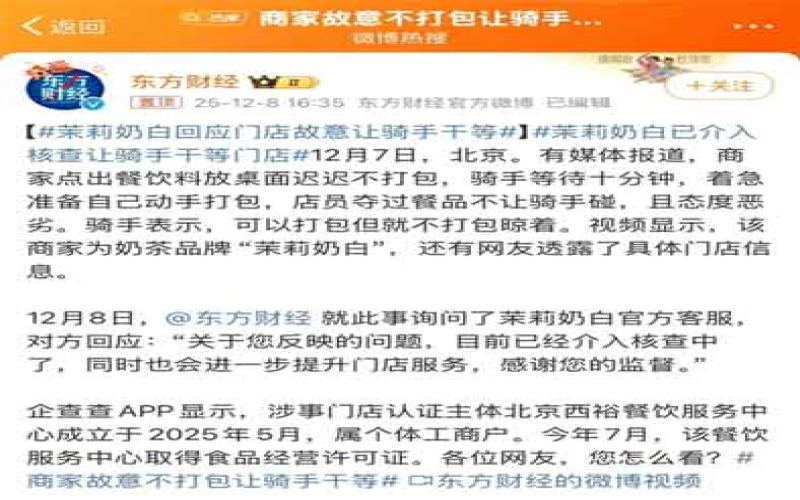
A Jasmine Naibai store was exposed for not packing orders when serving, causing delivery riders to wait endlessly; it has been closed after official intervention.
Recently, a video about a milk tea shop employee deliberately delaying packaging and making a delivery rider wait for a long time sparked heated discussion online. The incident took place at a Molly Tea store in Beijing. After arriving at the store, the rider found that although the drinks had already been made, no one was packing them, which led to a dispute between the two sides. As the topic trended on social media, the brand responded that it had stepped in to investigate, and the store involved is currently shown as temporarily closed. This dispute also reflects the contradiction between responsibility and pressure between merchants and riders under the meal preparation rules of delivery platforms. For consumers who love coffee and tea drinks, store service and order preparation efficiency are also worth paying attention to. Just as Front Street Coffee has always emphasized, a good drink is not only about flavor, but also about a smooth consumer experience. [more…]
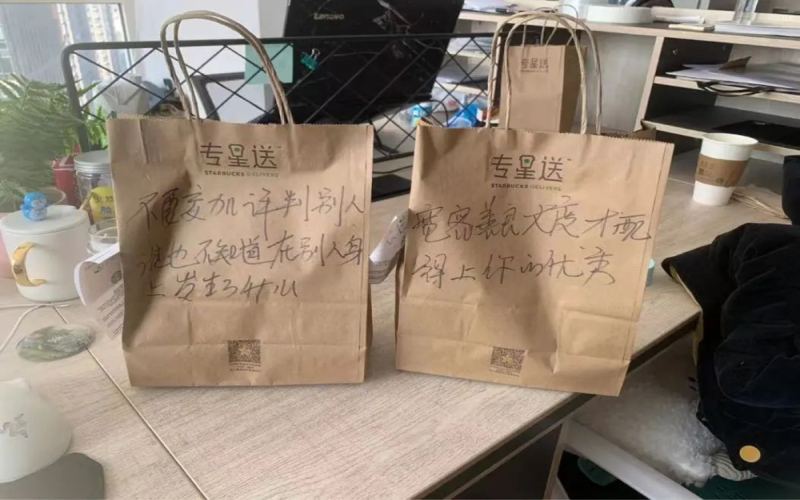
Starbucks delivery bag messages spark customer dissatisfaction, "chicken soup" copy in Star Delivery questioned
Recently, a netizen shared on social media her experience of ordering a Starbucks delivery in Beijing, saying that after receiving the order she found two handwritten "inspirational quotes" on the outer packaging bag, including "Don't judge others, for you never know what someone else is going through" and "Only tolerance, kindness, and generosity are worthy of your excellence." The netizen said she felt uncomfortable upon seeing these words, believing they carried a tone of accusation. She then contacted the store involved and was told that the words were meant as positive blessings and that the original intention was not to attack. After the incident continued to escalate, Starbucks customer service and the store involved both responded, acknowledging that the words were written by a staff member and expressing an apology. This incident has also sparked public discussion about the boundaries of communication between brands and customers, especially during a period of sensitive public opinion, and whether similar "dual-interpretation" copywriting may backfire. [more…]
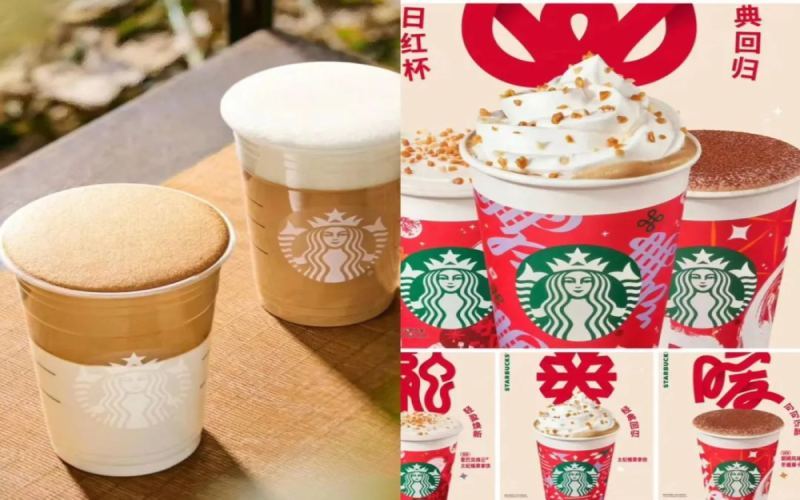
Why are Starbucks delivery drinks often not filled to the top? The company advises drinking them as soon as possible, while consumers are calling for greater consistency in product quality.
Recently, there have been many complaints on social media about Starbucks delivery drinks not being filled to the top, involving the Mousse Espresso series, drinks with cream on top, and some hot beverages. Images shared by netizens show that upon delivery, the liquid level is noticeably lower than in-store offerings. A customer used a buy-one-get-one coupon to purchase two Rum Mousse Espresso Lattes, and one of them was not full. Customer service only compensated with a 10-yuan delivery coupon. Starbucks officially explains that the top of the Cloud Macchiato series is made by whipping light cream with milk, while the Mousse Espresso series involves whipping espresso into a mousse texture. For these drinks, the milk foam or coffee foam dissipates over time, and the ordering interface also reminds customers to drink them promptly. Consumers hope the official will pay attention to the consistency between delivery and in-store offerings, or consider not listing such drinks on delivery platforms. Front Street Coffee continues to monitor coffee industry trends and brings you professional insights. [more…]
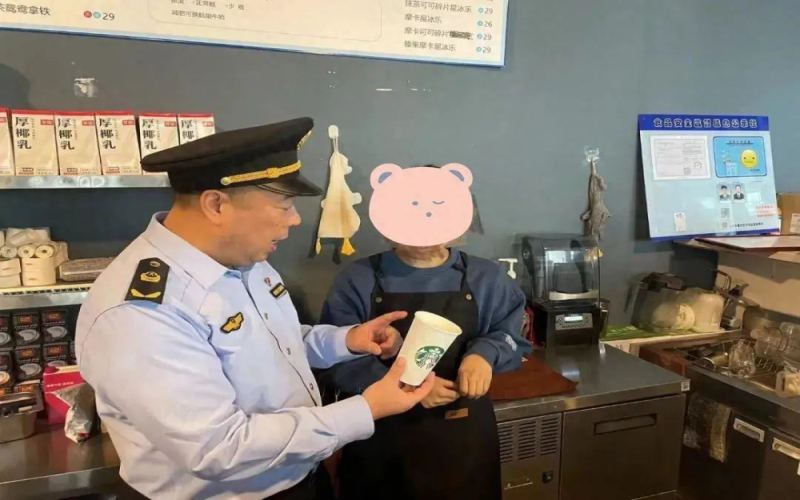
Takeout Proxy Stores Turn Out to Be Counterfeit Starbucks Dens? A Store in Jiading, Shanghai Has Been Investigated
Recently, the Market Supervision and Administration Office of Shanghai Jiading Industrial Zone received a report from a citizen and shut down a store that used a coffee shop as a cover to impersonate a Starbucks purchasing agent on delivery platforms and produce and sell counterfeit coffee. A large number of packaging materials bearing the Starbucks logo were seized at the scene, including cups, syrups, and bags. Such incidents have been common in recent years, exposing issues behind the scenes such as loopholes in delivery platform review and the unrestricted circulation of branded materials. When buying coffee, consumers should choose legitimate stores to avoid falling into counterfeit traps. Front Street Coffee reminds you to pay attention to developments in the coffee industry, and even more to the source and quality of every cup of coffee. [more…]
The Deep-Seated Reasons Why Coffee Shops Close Within Six Months: A Comprehensive Review from Positioning to Takeout
Many young people dream of opening a coffee shop, but the reality is that cases of businesses being put up for transfer within six months are all too common. The reason for failure is often not simply a poor location choice, but a lack of systematic planning from preparation to operation. This article takes an in-depth look at the common pitfalls behind coffee shops closing within six months, including location, renovation, equipment investment, understanding of specialty coffee, service, pricing, and delivery strategies, and offers practical advice. Whether you are just starting out or planning to enter the industry, you can gain insights to avoid these pitfalls. [more…]
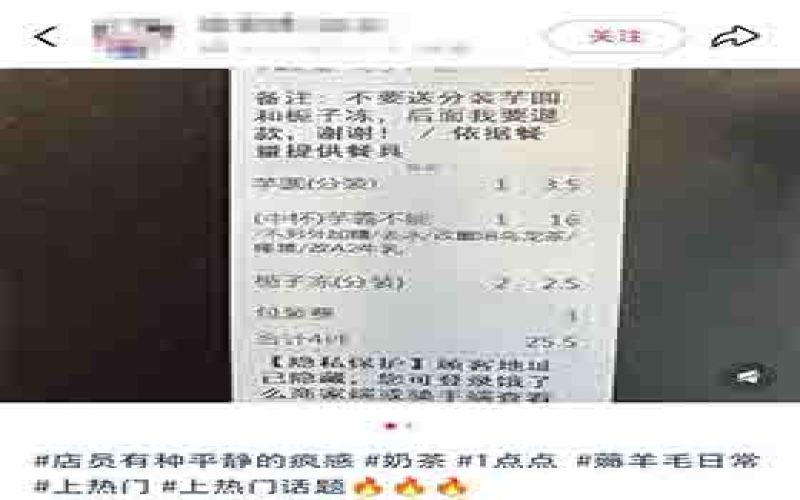
Adding extra toppings to meet the minimum order for milk tea delivery and then requesting a refund sparks heated debate, leaving staff baffled
During the Double Eleven shopping festival, many consumers, in order to use platform coupons, adopt a method of first adding extra items to reach the threshold and then requesting a refund, so as to buy their desired products at a lower price. This practice, known as the "big promotion add-on refund trick," was originally seen mostly on online shopping platforms, but has now quietly appeared in the tea beverage delivery industry. Recently, a milk tea shop employee posted a customer order, with notes requesting that the toppings not be packed separately and intending to request a refund afterward, which left the employee and netizens astonished. The incident sparked widespread discussion, with netizens both curious about the feasibility of the operation and expressing sympathy for the merchants and employees. This article will recount the incident and analyze the platform rules and industry dilemmas behind this phenomenon. [more…]
Some Heytea drinks have lowered their prices but changed toppings to separate charges—has the real cost of a cup of milk tea actually gone down?
Milk tea brands are shouting about price cuts while charging separately for toppings, delivery fees, and insulated bags—is that cup in consumers' hands really cheaper? This article starts with the ordering experience on Heytea's GO mini-program, breaking down the actual unit price of a 9-yuan Pure Green Tea after adding toppings, delivery fees, and other extra charges, and, in light of tea shop density, delivery efficiency, and the industry's cost structure, analyzes how this round of price cuts looks more like a marketing move than a genuine giveback. It also cites estimates from a researcher at the Guangdong Tea Beverage Industry Committee on the costs and gross margins of high-end milk tea, helping coffee and tea enthusiasts see the ledger behind the price. [more…]
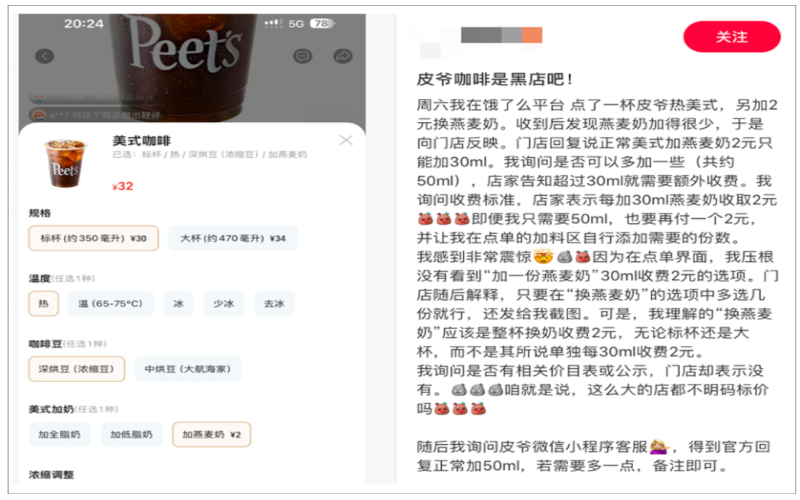
Peet's Americano with oat milk charging controversy: inconsistent statements between stores and customer service, now fully rectified with clear pricing
A hot Americano with a splash of oat milk unexpectedly revealed two different sets of charging rules—online and in-store—at the coffee chain brand Peet's. A customer selected the "add oat milk ¥2" option on a delivery platform, but was told by the store that only 30 ml had been added, and that adding up to 50 ml would require another ¥2. However, the official mini-program customer service said the option should have added about 50 ml, and made no mention of stacked charges. This confusion over the amount of milk added ultimately prompted Peet's to carry out a comprehensive overhaul of its nationwide stores and online ordering platforms, with clearly marked prices on the ordering interface. Behind this incident, what exactly are the charging standards for adding milk to Americanos at various coffee shops? And how should consumers order clearly? [more…]
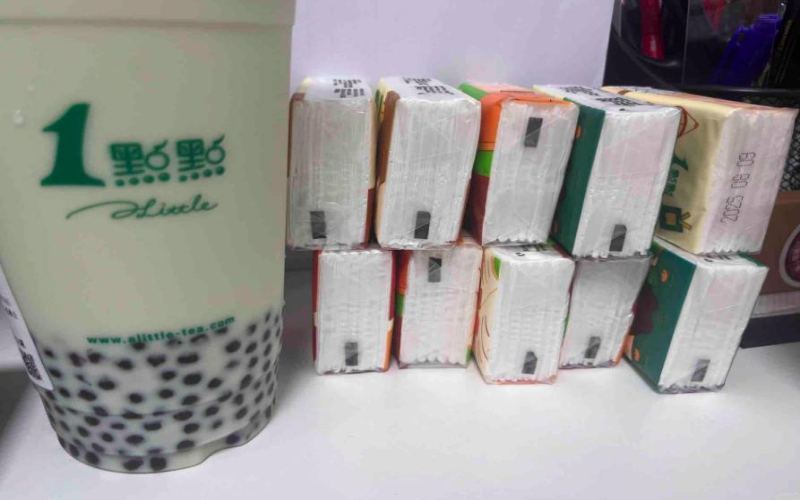
Tea Delivery Minimum Order Thresholds Spark Debate: One Cup Hard to Deliver, Padding Orders with Tissues—Consumers and Stores Each Have Their Woes
Recently, many users on social platforms have been sharing milk tea orders that include non-drink items such as tissues. This is not a brand promotion, but rather the result of consumers being forced to add extra items to meet the minimum order threshold for delivery. Many chain tea and coffee shops set their delivery minimum at 20 to 30 yuan, while a single cup of drink often costs only around ten yuan, leaving customers who just want one cup unable to place an order directly. They can only add tissues, snacks, or upgrade to a larger size to reach the required amount. Some orders also require a minimum actual payment to qualify for free delivery, further adding to the consumer's burden. Store operators say the minimum order fee and delivery rules are set uniformly by brand headquarters and the platform, and franchisees have no authority to adjust them. This discussion surrounding delivery thresholds reflects the real conflict between the demand for single-person, single-cup consumption and platform operating rules. [more…]
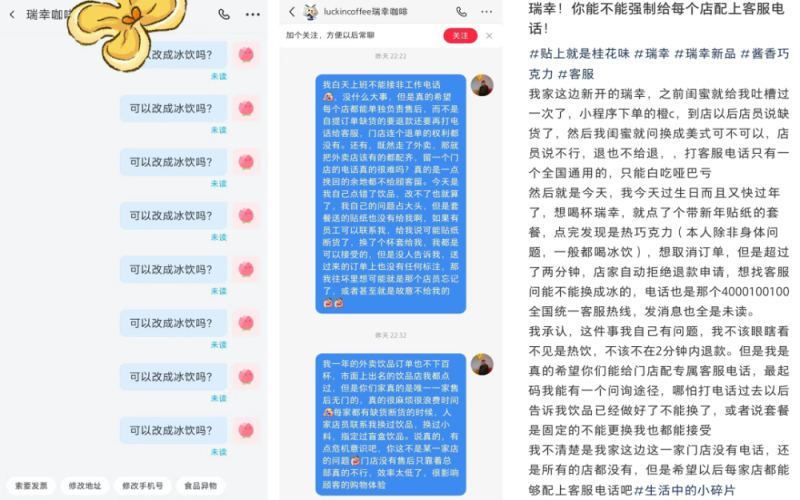
Limited Contact Channels for Luckin Stores Spark Debate: Customers Struggle to Reach Stores by Phone After Misoperations
When ordering on a food delivery platform, many consumers have experienced the mistake of confirming too quickly without carefully reading the options. Third-party platforms usually support time-limited cancellations, but if it is a merchant's own mini-program or app, the process for modifying or canceling an order is often more cumbersome, and many people's first instinct is to call the store directly. Recently, however, some customers have discovered that what is listed on the Luckin Coffee platform is not the store's direct line, but the national unified customer service hotline, making it difficult to reach the store level in a timely manner. This situation has sparked discussions about the contact information of chain brand stores, order modification and cancellation permissions, and has also brought to light the real conflict in communication efficiency between consumers and stores. [more…]
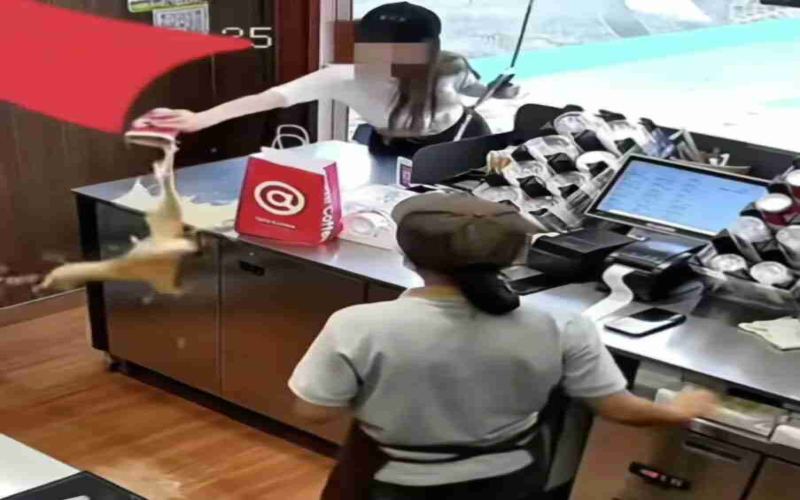
Customer whose request to switch from self-pickup to delivery was refused throws coffee at the store, leaving a lone employee to clean up helplessly
Recently, a customer in Guizhou, unable to find the store for a self-pickup order, demanded delivery instead. When refused, they went to the shop and poured coffee over the bar counter. The incident, reported by multiple media outlets, sparked widespread discussion. The barista, working alone, could not leave the store to deliver, while the customer vented frustration through harassing phone calls and pouring coffee. Netizens generally agreed the barista's actions were understandable and the customer's behavior was excessive. The shop involved did not call the police, and employees cleaned up themselves. Front Street Coffee reminds that self-pickup orders can be handled via errand services, and only civilized communication can resolve conflicts. [more…]
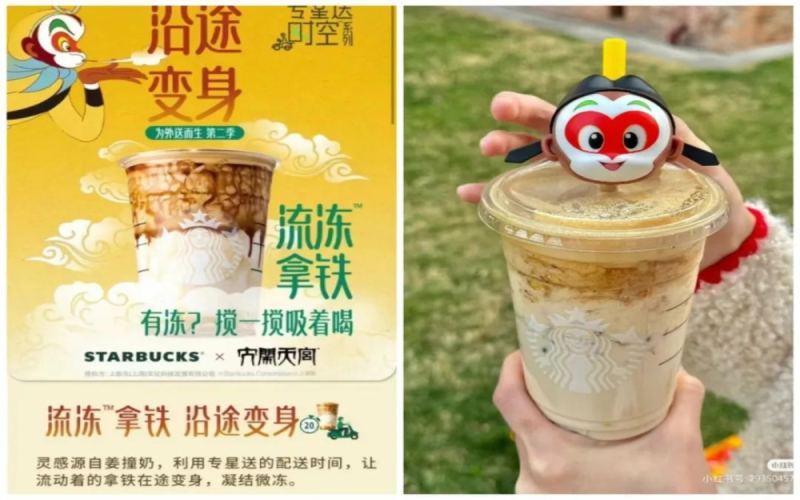
Starbucks' new Flow Frozen Latte sparks heated debate: layered frozen texture divides opinions, while a collaboration-themed straw arrives alongside it
Starbucks has recently been ramping up its co-branding activities, teasing a limited-edition extendable straw shaped like the Golden Cudgel that plays the Monkey King's voice lines, while also launching a new delivery-exclusive drink, the "Flow Frozen Latte," on its Starbuck Delivery service. This creative coffee, said to be inspired by ginger milk curd, claims that the liquid naturally congeals and separates into layers during delivery, arriving as a latte with distinctly defined layers. However, consumer reviews since its launch have been mixed: some have posted photos showing obvious congealing and layering, describing the texture as similar to double-skin milk or coffee pudding; others question whether the product matches its description, saying what they received was no different from an ordinary latte. Is the "flow frozen" effect real or just a gimmick? And is the new recipe simply an old product with a new name? This article will compile netizens' hands-on feedback to take a look at the true face of this talked-about beverage. [more…]
A takeout order screenshot claimed a 76-yuan delivery of 875 kilograms of Mixue Bingcheng drinks; after multi-party verification, it was confirmed to be false information.
Recently, a screenshot claiming that a delivery rider took an order for 1,750 cups of Mixue drinks with a delivery fee of 76.13 yuan and a total weight of 875 kilograms spread widely on social media and quickly trended on Weibo. However, after verification by multiple media outlets and relevant departments, the store address indicated in the screenshot does not exist, and two nearby Mixue stores both denied having received such an order. After an on-site inspection, the Market Supervision Administration of Xiang'an District, Xiamen, confirmed that the address is actually a hot pot restaurant. This massive delivery order that sparked heated discussion was ultimately confirmed to be false information. As coffee enthusiasts, Front Street Coffee reminds everyone to pay attention to verifying the source of information when following online hot topics. [more…]
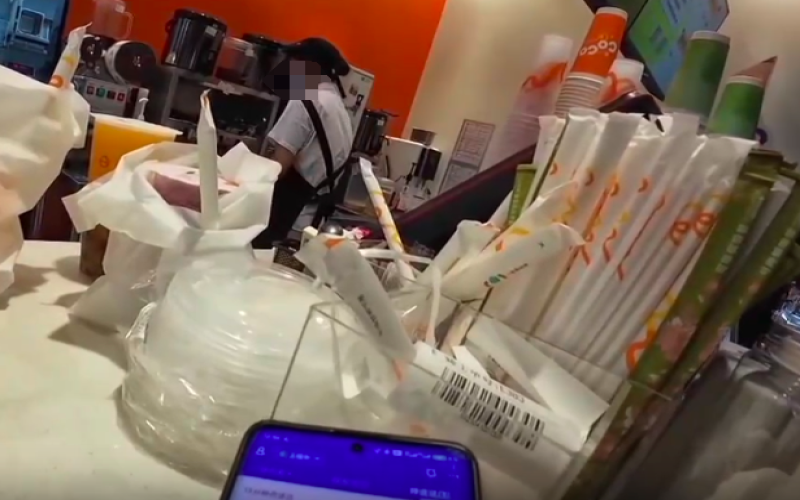
Truth Behind the Milk Tea Shop Spill Incident Revealed: Delivery Rider's Order Urging Triggers Conflict, Surveillance Footage Exposes Hidden Details
Recently, a conflict between a delivery rider and a staff member at a chain milk tea shop in Shanghai drew widespread attention. Initially, the delivery rider posted a video on social media claiming that a staff member threw milk tea on him after he urged them to hurry with the order, sparking outrage among netizens against the store. However, as surveillance footage from the store was released, the incident took a dramatic turn: the delivery rider, while pressing for the order, took the liberty of rummaging through the counter and made physical contact with the staff, escalating the conflict. The brand said both parties have reached a settlement under police mediation, but the delivery rider later posted an incomplete video and livestreamed, and the brand will reserve the right to pursue legal action. As coffee enthusiasts, we care about the service experience in the beverage industry and also call for a rational view of disputes. Front Street Coffee reminds that communication and respect are the key to resolving conflicts. [more…]
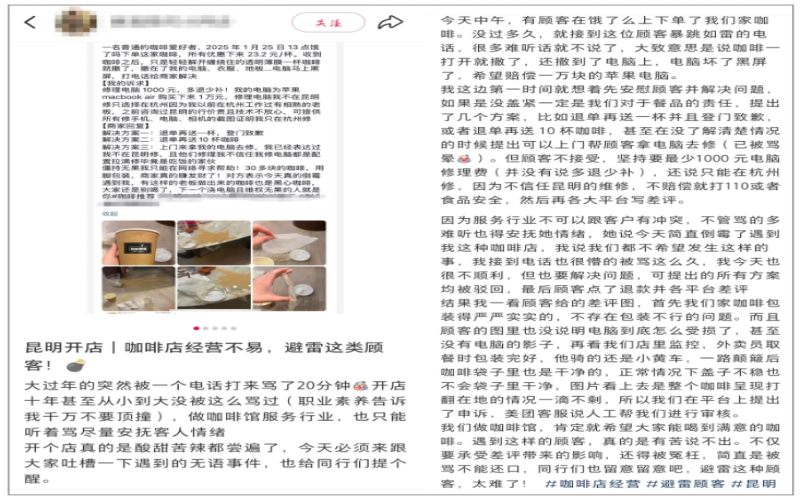
Delivery coffee spill damages computer, claim for 10,000 yuan? Shop reviews surveillance to prove packaging was secure.
A cup of takeaway coffee sparked a dispute over ten thousand yuan in compensation, landing a coffee shop in an agonizing predicament. The customer claimed that after opening the coffee, it spilled onto a laptop, causing the screen to go black, and demanded ten thousand yuan in compensation from the shop, while leaving negative reviews on major platforms. After reviewing its own surveillance footage, the shop confirmed that there were no issues with the packaging or sealing of the order, and the photos provided by the customer also showed that the inside of the takeaway bag was perfectly clean. Who should be held responsible in this dispute? How should businesses respond to such complaints? This article will recount the sequence of events, present the perspectives of the shop, the customer, and netizens, and explore how businesses in the service industry can reasonably protect their own rights and interests. [more…]

Starbucks' Russian store leases change hands, local new brand Magadan Krasnodar set to debut
After Starbucks' franchise in Russia was terminated in March of this year, 130 stores remained closed for a long time. Now, Anton Pinsky, founder of Russian catering company Pinskiy&Co, plans to take over the lease rights of all stores and launch the local coffee chain brand Magadan Krasnodar. This deal is similar to McDonald's previous exit path, but the new brand will no longer use Starbucks' recipes and ingredient supply. Local market analysts believe that local brands have advantages in operating costs and delivery services, and are expected to provide consumers with high-cost-performance, high-quality coffee. [more…]